EU Projekte
Der BKF ist, zusammen mit der ECA, in unterschiedliche EU Projekte zwecks Aufklärung, Verbreitung und Fortbestand der Konduktiven Pädagogik und Rehabilitation involviert
Die Ergebnisse dieser EU Projekte und Kooperationen sollen Einrichtungen und Verbänden dabei helfen – auch international – ihre konduktiven Kompetenzen zu erweitern, Bestehendes zu reflektieren und konduktive Programme zu verbessern. Konduktive Institutionen profitieren von der Expertise erfahrener konduktiver EU Projekt-Teilnehmer, zur Verbesserung der Qualität ihrer Programme und Erweiterung ihres Angebots für Reha-Kunden. Fast 20 kondukive Einrichtungen haben international an den aufgelisteten EU Projekten teilgenommen. Ein neues EU Projekt ist derzeit in Planung.
Mehrere Handbücher und Richtlinien wurden im Zusammenhang mit diesen EU Projekten produziert und niedergelegt. Wir hoffen, dass Ihnen die Inhalte als Vorlage und Führung für Ihre eigene konduktive Arbeit dienen kann. Nachfolgend finden Sie die Downloads und Handbücher der EU Projekte, welche die Inhalte, Details und Ergebnisse der unterschiedlichen Projekte zusammenfassen. Die Erklärungen und Materialien sind aufgrund der Beteiligung unterschiedlicher Länder in Englischer Sprache.
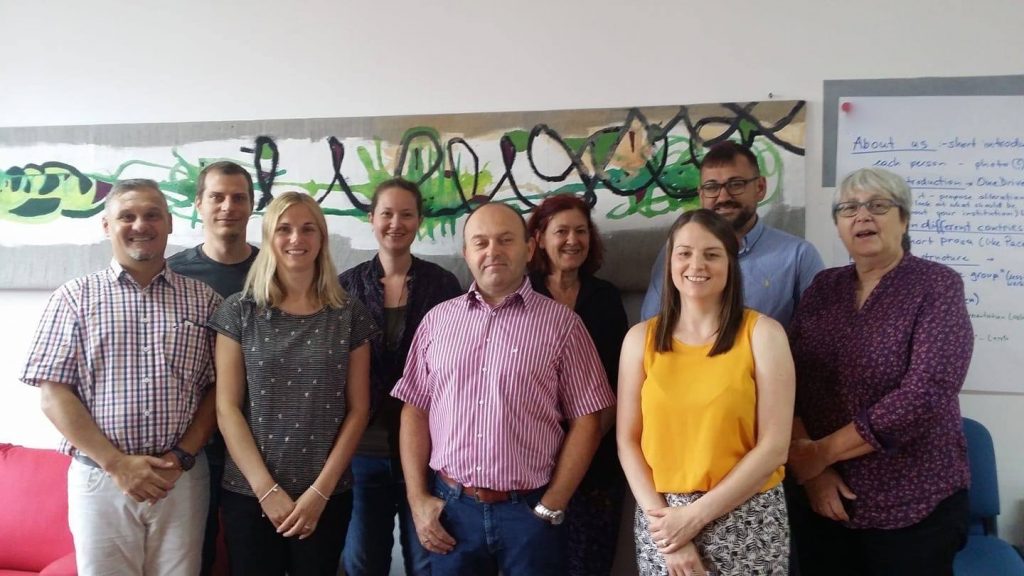
2017-2018 TrACE-Transition to Adulthood with CE Erasmus+
Transition to Adulthood using the Principles of Conductive Education.
This project focussed on the application and practice of Conductive Education in adulthood. The handbook provides a detailed overview of current provision as well as an excellent comparison with Conductive Education in childhood.
2013-2015 Lifelong Learning Program – Two Comenius Partnerships: EVIBACE
Evidence-Based Conductive Practice towards whole school improvement.
This project culminated in the publication of a resource manual evaluating the effectiveness of standardized measures for evaluating conductive practice. It is an excellent resource for all professionals in the field. Involved in the project were 7 schools/institutions from 6 countries: Austria, Belgium, Germany, Hungary, UK, Sweden.
Communicate & Participate
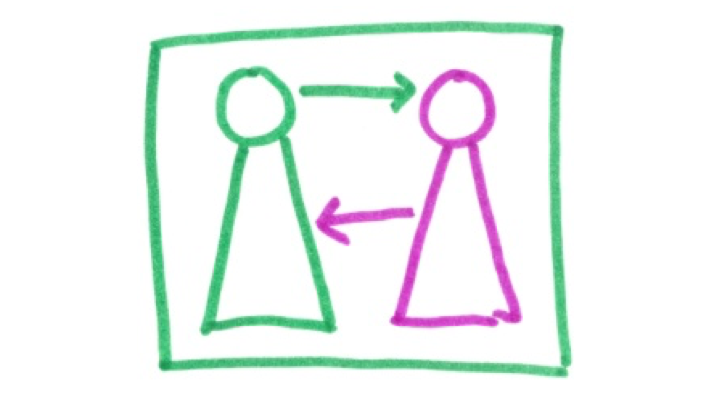
Communicate & Participate – Empowerment of Children with Disabilities through Augmentative & Alternative (AAC) Communication.
The goal of the project was to share experience and expertise on how to apply and integrate AAC in a Conductive Education setting. The partners explored examples of best practice and created guidelines and material. Involved in the project were 6 schools from Austria, Belgium, Finland, Germany, and the UK.
2010-2012 Lifelong Learning Programme – Three multilateral Partnerships:
Leonardo da Vinci “Equalrehab”
The goal of the project was to define conductive quality standards and certification. The certification process is a very difficult topic and could not be finalised in the partnership. But the partners produced another very important handbook: a Conductive Education Glossary.
Website: Summary Leonardo da Vinci Leonardo Conductive Education Glossary (PDF, 1.01 MB)Grundtvig Project Together, Constructive, Conductive
This project worked to identify key factors that should be included in conductor training, irrespective of where this training takes place. It provides key theories and philosophies which enhance understanding of Conductive Education for those training. The goal of it was to find different forms of cooperation in the field of Conductive Education training and courses. Involved in the project were Austria, Germany, Sweden, and the EU; Hungary was invited to the meetings as an expert.
A handbook about the main aspects of training in the field of Conductive Education was the outcome.
Comenius Project “Think outside the Box”

This project dealt with Conductive Education in different national school systems. “Think outside the Box” was initiated by the exchange of experience. The goal was mainly to build up a European Conductive Education network and to facilitate conductive development. Involved in the project were Austria, Finland, Germany, the UK, and Sweden.
2000-2003 First European Project Socrates Comenius
Seven organizations from Austria, Germany, UK, and Norway were involved in the project. The goal of the project was to compare and analyze the different ways and types of conductors´ training in Europe. The outcome of the project was the definition of modules for conductor training and a handbook.
Booklet Socrates Comenius (PDF, 504.98 KB)